Coffee and the Brain: How your daily hit boosts cognition – with the science behind it


Imagine this: You're standing in the kitchen, the sun streaming through the window, and the first sip of freshly brewed coffee hits your tongue. Suddenly, your thoughts clear, tasks seem less overwhelming, and you're ready to tackle the day. Is it just a placebo, or is there real science behind it? Spoiler: Science is right. Coffee – or rather caffeine – is one of the most studied substances when it comes to brain function. In this blog, we dive into how coffee affects the brain, supported by recent research and the fascinating insights from neuroscientist Andrew Huberman.

Kaffe og Forskning Home Roast

The magic of caffeine: How it works on the brain


Caffeine is not a magic potion, but it almost feels like it. When you drink coffee, caffeine crosses the blood-brain barrier and blocks adenosine receptors – the "sleep pills" in the brain that build up during the day and make you tired. The result? You feel more awake, focused, and energetic. Huberman explains in his 2022 podcast "Using Caffeine to Optimize Mental & Physical Performance" that caffeine also boosts dopamine and acetylcholine in the forebrain – two neurotransmitters crucial for thinking, adaptation, and motivation. It's not just a temporary kick; it can improve long-term memory and reduce the risk of neurodegenerative diseases like Parkinson's and Alzheimer's.

Research from Johns Hopkins University confirms: A dose of 200 mg of caffeine (about a strong cup of coffee) after learning helps consolidate memories, making them more resistant to forgetting. Another study in Scientific Reports showed that coffee reorganizes brain connections, improving neurocognitive functions such as attention and working memory.

Kaffe og hjernen Home Roast

Research's hit list: What do the studies say?


Let's dig into the data. A review of caffeine's effects on cognition shows that moderate doses (40-300 mg) improve alertness, reaction time, attention, and executive functions like decision-making. On the memory front, results are mixed: Some studies find no effect on learning, but clear improvement in retention (remembering what you've learned). A meta-analysis points out that low doses (about 3 mg/kg body weight) boost prefrontal brain activity, which is key to executive functions.

Huberman emphasizes the importance of timing: Wait 90-120 minutes after waking up before having your first cup – this allows the body's natural adenosine reset to occur before you block it. He also advises not to overdo it: 100-400 mg daily is optimal for focus, but higher doses can increase anxiety. And for older adults? Caffeine may protect against cognitive decline, but the effect varies with genetics and habits.

Kaffe og Motion Home Roast

Andrew Huberman's exciting interviews and protocols


Andrew Huberman, Stanford professor and podcast host, is a star in the world of neuroscience. In his solo episode on caffeine, he shares protocols based on research: Use caffeine strategically to "stack" it with exercise – it further increases dopamine and improves mood and performance. He interviews experts like Dr. David Sinclair on long-term effects, but his own analysis shows that caffeine enhances memory if you take it after learning, not before.

Huberman's take: Caffeine is a tool for optimization, not a habit. Try his "every other day" protocol to avoid tolerance – it keeps the effect fresh.

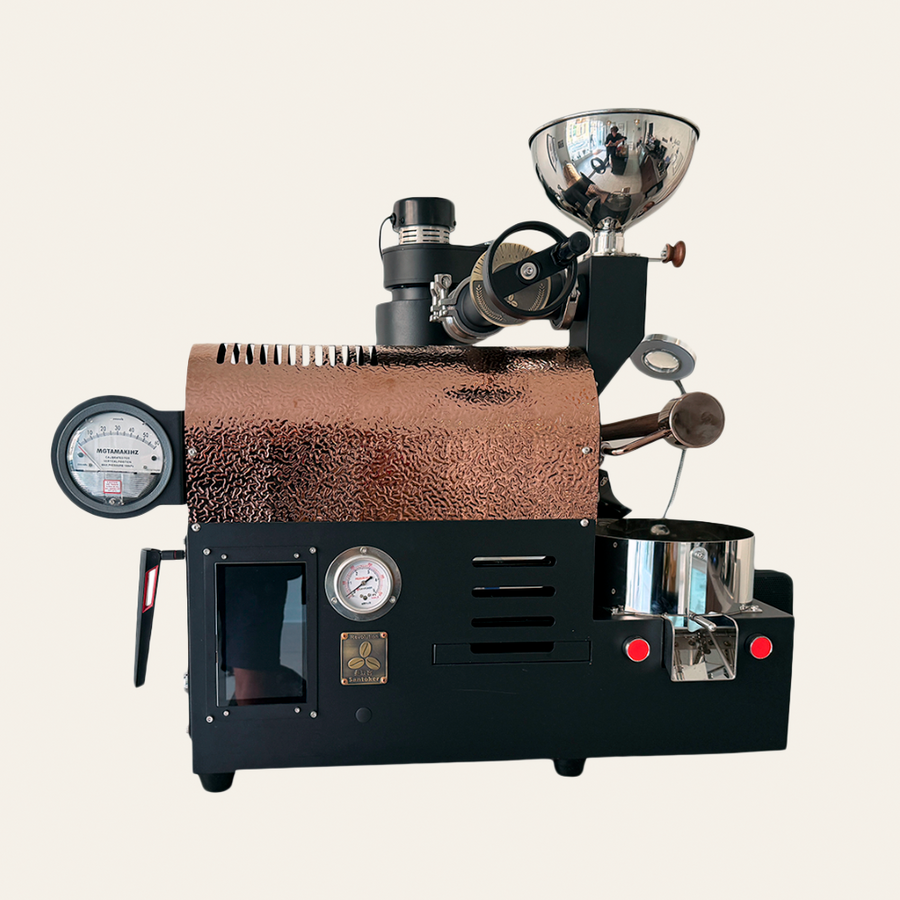
Santoker X3 Kafferister hos Home Roast

Home roasting: Get the best out of your brain boost


Home roasted coffee is not only tasty – it is fresher and more potent. Fresh beans release more antioxidants that support brain health. Try a light roast for more acidity and nuances that match your morning routine.

Coffee is not just a habit; it is the brain's best friend. From improved focus and memory to protection against aging – the science supports it. As Huberman says: Use it wisely, and it becomes your secret weapon.

Cheers to a sharper brain! ☕